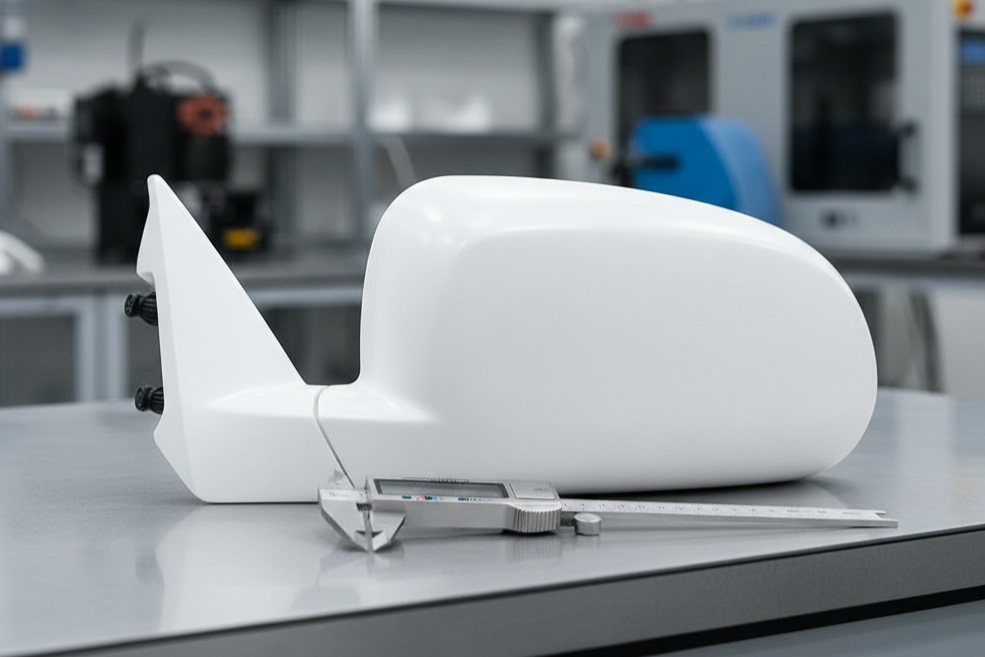
Functional Prototypes
Validate fit, geometry, assembly, and real-world performance quickly.

Instant FDM estimates. Engineering-led manufacturing.
From custom jigs and fixtures to functional prototypes and low-volume production parts, Relay helps engineers turn CAD into manufacturable components. Upload your design for an instant preliminary price. We review material selection, critical features, printability, and production requirements before confirming the formal quote.
No account required · CAD upload · Instant preliminary pricing · Engineer-reviewed formal quotes
FDM is Relay's primary process because it is fast, flexible, and cost-effective for a wide range of functional plastic parts. Relay approaches each request from the part’s real requirements first — strength, environment, geometry, quantity, finish, and delivery — rather than forcing every project into the same material or print settings.
FDM is especially useful for functional prototypes, manufacturing aids, custom enclosures and housings, custom plastic components, and low-volume parts that need fast iteration without dedicated tooling.
Validate fit, geometry, assembly, and real-world performance quickly.
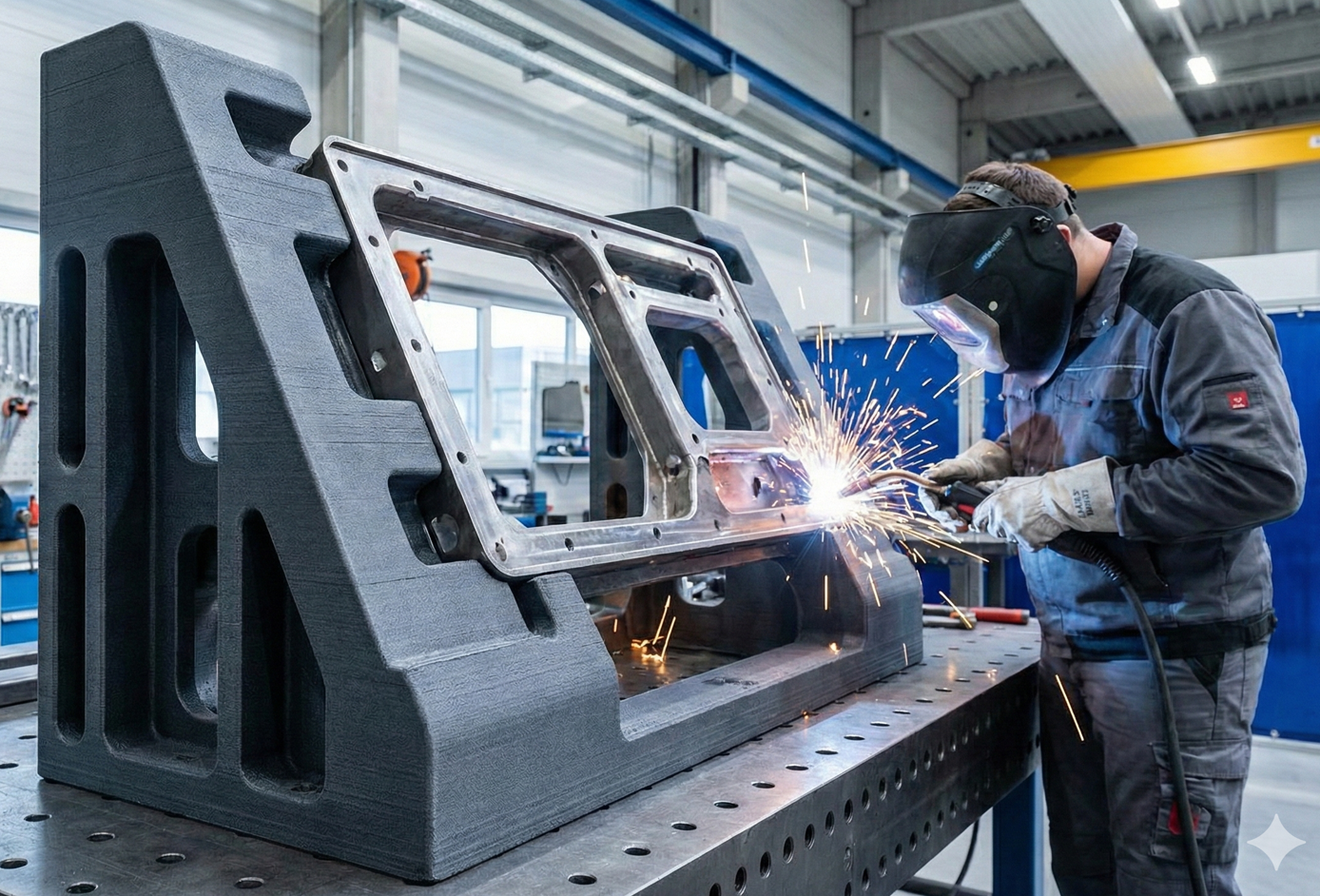
Custom production aids for repeatability, positioning, handling, and inspection.
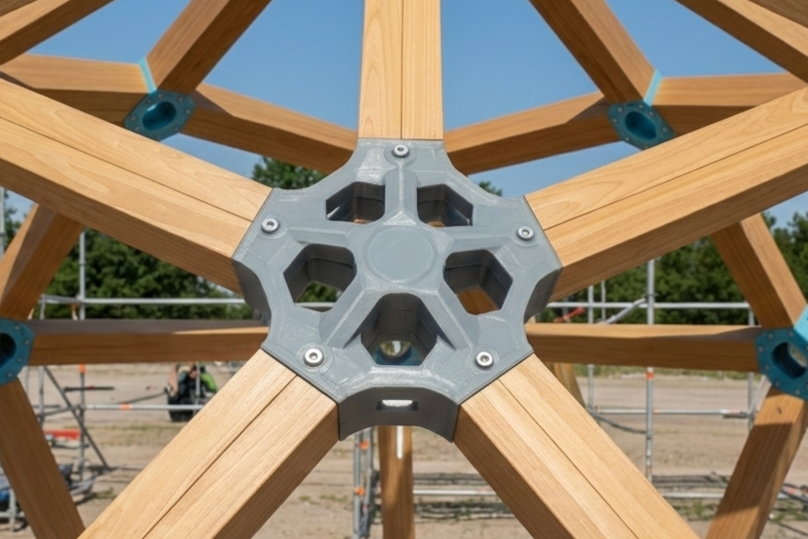
Durable components for real service when material and design are appropriate.
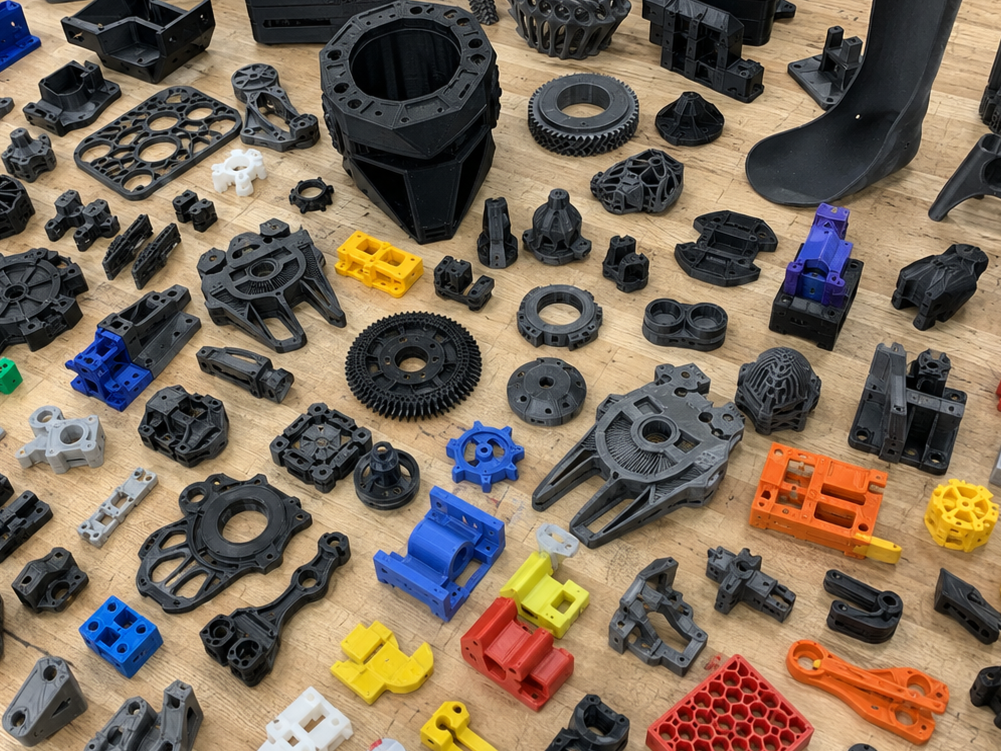
Produce short runs and repeat orders without committing to mold or hard-tooling cost.
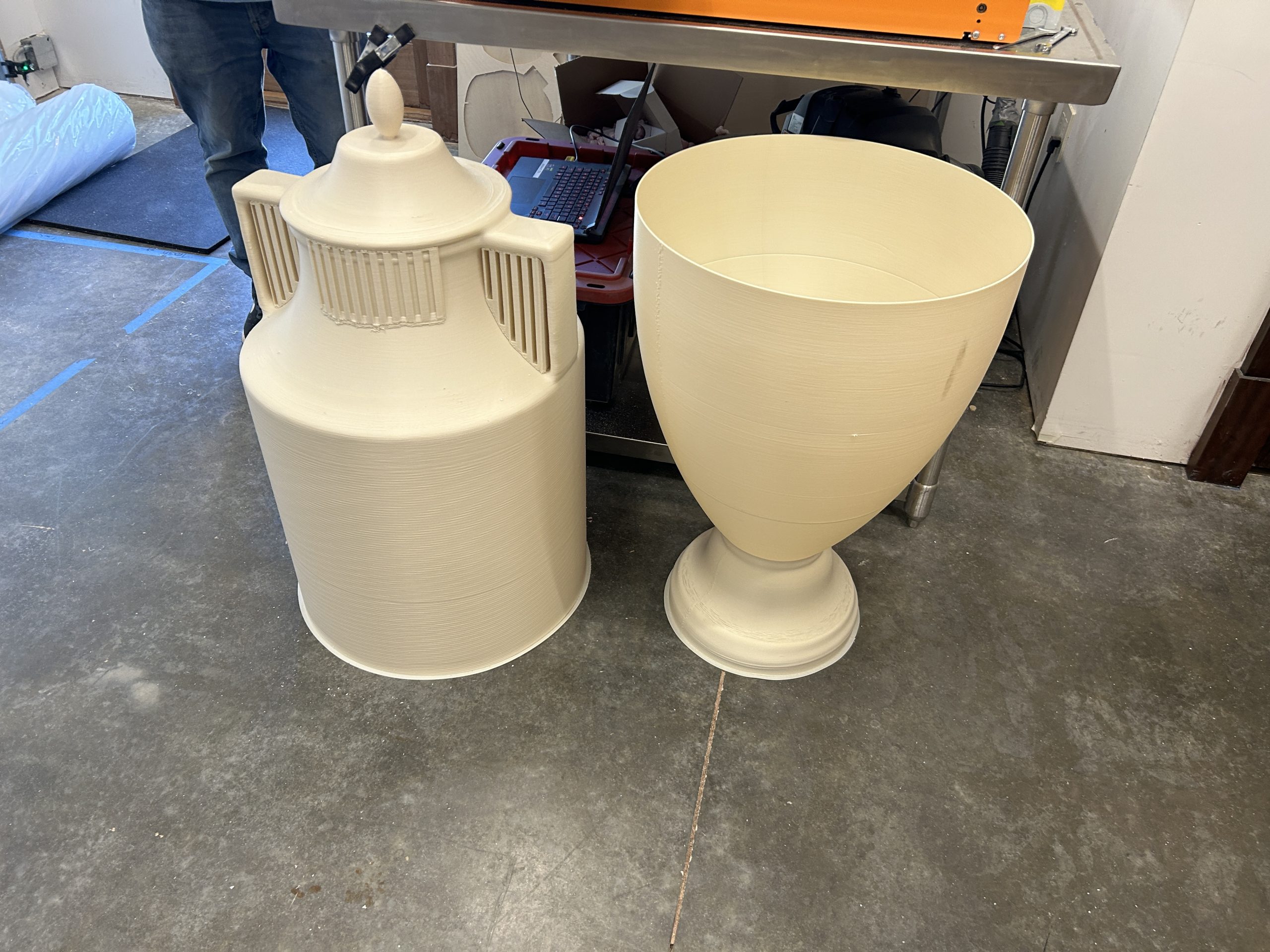
Oversized parts, tooling, fixtures, patterns, and full-scale prototypes. Explore large-format capabilities →
The fastest path to a useful quote is not a long specification sheet. Send the CAD and identify what actually matters in service. Relay can separate critical requirements from dimensions or finishes that do not need special treatment.
From easy-to-iterate prototype materials to tougher engineering polymers and reinforced filaments.
Dimensionally stable and economical for visual models, fixtures, fit checks, and fast prototype iteration.
Prototype / GeneralTough, versatile, and moisture resistant for functional parts, guards, brackets, and shop applications.
FunctionalA durable engineering thermoplastic for functional housings, assemblies, and moderate-temperature environments.
Tough / HeatABS-like mechanical performance with improved UV and weather resistance for outdoor applications.
Outdoor / UVFlexible and impact-absorbing for seals, protective components, compliant features, feet, and grips.
FlexibleDurable, wear-resistant material for demanding mechanical parts, clips, hinges, and functional components.
EngineeringHigher heat resistance and toughness for applications that exceed general-purpose thermoplastics.
High PerformanceStiffer reinforced polymers for fixtures, tooling, structural parts, and dimensionally demanding applications.
Stiff / StructuralReinforced options that balance strength, stiffness, durability, and temperature performance.
ReinforcedHave a specific resin, filled polymer, or performance requirement? Include it in the RFQ and we'll evaluate the best route.
Application-SpecificThe quote starts with how the part will be used: load, interfaces, environment, quantity, finish, and deadline—not just whether the geometry fits a printer.
Questions and tradeoffs stay close to the people reviewing manufacturability and production instead of disappearing into a sales handoff.
Start with one-off validation, revise the design when needed, and move into repeat low-volume builds when the part and economics are ready.
If FDM is a poor fit for the geometry, finish, material, quantity, or risk profile, Relay can flag that before you spend money forcing the wrong process.
Start with function, geometry, material, finish, quantity, critical interfaces, environment, and deadline. FDM is Relay's first choice when it fits, while SLS/MJF, SLA/DLP, DMLS, sand binder jetting, or another process may make more sense when the application demands it.
Yes for FDM. Upload CAD, select material and quantity, and Relay's instant estimator provides preliminary pricing immediately. The formal quote is engineer-reviewed before it is emailed. Other additive processes are handled by engineering quote.
Geometry, material, quantity, application, tolerances, critical interfaces, finish, service environment, deadline, support requirements, and downstream assembly or inspection can all affect the manufacturing route and final price.
Send the dimensions or CAD. The best approach depends on geometry, material, machine envelope, and whether a larger component can be split or assembled. Relay also evaluates large-format FDM for oversized parts.
That depends on temperature, loading, chemical exposure, outdoor use, stiffness, impact resistance, wear, and finish requirements. If you are unsure, describe the use case and Relay can help narrow the material family.
Often, yes. Additive manufacturing can be a strong option when the volume does not justify tooling, designs are still evolving, or the geometry benefits from a digital manufacturing process.
FDM is Relay's core focus, but it is not the only route we can evaluate. If surface finish, geometry, batch economics, material, or scale point elsewhere, we can quote an alternative instead of forcing the project into the wrong process.
Engineering-quoted nylon parts for complex geometry, nested batches, functional assemblies, and repeat production. Learn more →
Engineering-quoted resin printing for fine features, smoother surfaces, visual prototypes, molds, and specialized resin properties. Learn more →
Printed sand molds and cores for prototype castings, complex internal passages, low-volume work, and tooling-intensive foundry programs. Learn more →
Engineering-quoted metal additive manufacturing when true metal performance and additive geometry justify the process. Learn more →
For oversized parts, tooling, patterns, fixtures, and full-scale prototypes that exceed a typical desktop build envelope. Explore LF-FDM →
Upload your file, quantity, application, target date, and critical requirements. Relay will review the job for process fit, material, manufacturability, and a practical path to production before quoting.